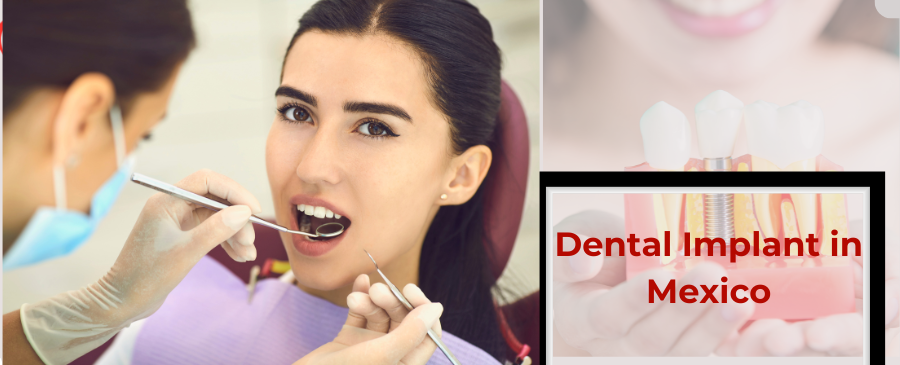
For dental implants in Mexico, a standard treatment typically requires a minimum of two separate trips. The first visit involves consultation and implant placement, while the second, scheduled 3-6 months later, is for the final crown. This two-trip approach allows for crucial osseointegration, ensuring a stable foundation for your new smile at a cost often 50-70% less than in the United States.
Considering How Many Visits Do You Need for Dental Implants in Mexico? is a common and practical question for anyone seeking high-quality dental care abroad. Mexico has emerged as a premier destination for dental tourism, offering advanced procedures at a fraction of the cost found in many Western countries.
Understanding the precise timeline and the number of required appointments is essential for proper planning. This clarity ensures a smooth experience, allowing you to effectively manage your travel logistics, financial budget, and personal expectations for a successful smile restoration.
The dental implant process is a multi-stage procedure designed for safe, stable, and long-lasting results, rather than a single-day treatment. For international patients, top Mexican dental clinics have optimized this journey into a manageable series of trips.
This comprehensive guide provides a detailed overview of the standard number of visits, explains what each trip entails, and clarifies scenarios that might necessitate additional appointments. It is important to note that PlacidWay is a medical tourism facilitator, connecting patients with accredited providers, not a direct healthcare provider itself. We aim to equip you with all the necessary information for your treatment journey.
What Are the Key Benefits of Choosing Dental Implants in Mexico?
- Significant Cost Savings: Patients can achieve high-quality dental implants at 50-70% lower costs than in the United States or Canada.
- Streamlined Treatment Process: Mexican clinics specialize in optimizing multi-stage implant procedures into a practical two-visit schedule for international patients.
- Access to Modern Technology: Many clinics utilize state-of-the-art equipment and FDA-approved implant brands, ensuring world-class standards.
- Expert and Experienced Dentists: Highly trained and often US-certified dental professionals provide specialized care, including oral surgeons and prosthodontists.
- Comprehensive Patient Support: Clinics in popular dental tourism hubs offer tailored assistance with travel, accommodation, and post-operative care.
Understanding the Dental Implant Procedure and Its Stages
A dental implant is a surgical fixture placed into the jawbone, which then fuses with the bone over a few months. This process, known as osseointegration, creates a robust foundation for a replacement tooth, typically a crown, bridge, or denture.
The entire dental implant process is typically divided into two main stages. These stages are spaced out to allow for essential healing and integration time, which is crucial for the long-term success of the implant.
During the first stage, the implant post, usually made of titanium, is surgically embedded into the jawbone. This step requires precision and a sterile environment to ensure proper placement and minimize risks.
The second stage, occurring after a healing period, involves placing the abutment, which connects the implant to the final prosthetic tooth, and then fitting the custom-made dental crown. This ensures both functionality and aesthetic appeal for your restored smile.
What Are the Outcomes and Potential Risks of Dental Implants?
Evidence & Outcomes: Dental implants boast a high success rate, often exceeding 95% when performed by experienced professionals and supported by adequate bone structure. The success hinges on the biological process of osseointegration, where the titanium implant fuses with the jawbone. This creates a durable and natural-feeling replacement for missing teeth.
Risks & Contraindications: While generally safe, dental implant procedures carry potential risks, including infection, nerve damage, sinus perforation, or implant failure if osseointegration doesn’t occur properly. Factors like poor oral hygiene, smoking, uncontrolled diabetes, or insufficient bone density can increase these risks. Seek immediate care if you experience severe, worsening pain, persistent bleeding, swelling, signs of infection like pus or fever, or numbness in the lip or chin. Always consult with a qualified dental professional to assess your individual suitability and understand potential outcomes, as individual results can vary significantly.
Did You Know?
Did you know that Mexico is home to some of the world’s most advanced dental facilities, where patients often save significant amounts on dental implants while receiving care that meets or exceeds international hospital standards?
Comparing Dental Implant Costs: Mexico vs. Other Countries
The cost of a single dental implant in Mexico, including the implant post, abutment, and crown, typically ranges from $1,000 to $2,200 USD. This price point offers substantial savings compared to similar treatments in the United States, Canada, and the United Kingdom, without compromising on quality or the materials used.
This affordability is primarily due to lower operational costs and living expenses in Mexico. Many Mexican dental clinics utilize the same high-quality, FDA-approved implant brands as those found in their US counterparts, such as Straumann or Nobel Biocare, ensuring consistent material standards.
Cost Breakdown
Major Savings
| Country |
Estimated Cost |
Average Savings |
| Mexico |
$1,000 – $2,200 USD |
Starting Point Best Value |
| United States |
$3,000 – $6,000 USD |
50-70% Savings |
| United Kingdom |
£2,000 – £4,000 GBP |
60-75% Savings |
| Canada / Australia |
$3,000 – $5,500 CAD/AUD |
55-70% Savings |
Essential Facts & Pro-Tips
1
Fast Fact: Many Mexican dentists use high-quality, FDA-approved implant brands like Straumann or Nobel Biocare, ensuring materials comparable to those used in the US.
2
Travel Tip: Plan to stay 3-7 days for each visit in Mexico. Popular destinations like Cancun, Tijuana, and Los Algodones offer streamlined processes for international patients.
3
Recovery Tip: Follow all post-operative care instructions carefully, including medication and oral hygiene practices. This ensures optimal healing and successful osseointegration of your dental implant.
Mapping Your Dental Implant Treatment Journey in Mexico
The typical dental implant journey in Mexico is meticulously structured across two main visits, separated by a crucial healing period. This approach is designed to maximize the success rate of the implant by ensuring proper osseointegration.
For international patients, clinics in Mexico have refined this process to be as efficient and patient-friendly as possible, balancing comprehensive care with practical travel considerations.
Visit 1: Initial Surgical Phase (3-7 Days)
Consultation, Diagnostics & Implant Placement
Your first trip involves a comprehensive consultation, including 3D CBCT scans and X-rays to assess jawbone density and plan the implant placement. Under local anesthesia, the titanium implant post is surgically inserted into the jawbone. You will typically receive a temporary restoration (crown or flipper) to maintain aesthetics and function during the healing period. Post-operative instructions and medication are provided before you return home.
Healing Period (3-6 Months at Home)
Osseointegration: The Foundation for Your New Smile
This critical phase allows the implant post to biologically fuse with your jawbone, a process known as osseointegration. This creates a strong, stable, and permanent foundation for your new tooth. Rushing this period can lead to implant failure, so patience is key.
Visit 2: Restorative Phase (3-7 Days)
Abutment Placement & Final Crown Fitting
Upon your return, the surgeon will expose the integrated implant, remove the healing cap, and attach the abutment—the connector piece for your new tooth. Impressions are taken to fabricate your custom-made permanent dental crown, which is meticulously matched to your natural teeth in color and shape. Once ready, the crown is fitted and securely attached, completing your new, fully functional smile.
Frequently Asked Questions
1. Is dental implant treatment in Mexico safe and reliable?+
Yes, dental implant treatment in Mexico is widely considered safe and reliable, particularly in established dental tourism hubs. Many clinics adhere to international hygiene and safety standards, utilizing modern technology and FDA-approved materials.
Dentists in Mexico often possess advanced training, including certifications from US institutions, ensuring a high level of expertise and quality of care comparable to what you would find at home.
2. How many trips are typically needed for dental implants in Mexico?+
A standard dental implant treatment requires a minimum of two separate trips to Mexico. The initial visit is for the consultation and surgical placement of the implant post.
The second trip, typically scheduled 3-6 months later, is dedicated to placing the final, permanent dental crown after the implant has successfully integrated with your jawbone.
3. What procedures are included in the first visit to Mexico for implants?+
Your first trip to Mexico for dental implants typically spans 2 to 7 days. This visit is comprehensive, beginning with an initial consultation that includes detailed 3D scanning (CBCT scans) to assess your jawbone and formulate a precise treatment plan.
Following planning, the surgical placement of the titanium implant post into your jawbone occurs. In most cases, a temporary restoration will also be provided to ensure aesthetics and function during your healing period.
4. What should I expect during my second visit to Mexico for dental implants?+
The second trip to Mexico is the restorative phase of your dental implant treatment, usually lasting 3 to 7 days. This visit commences after your jawbone has fully healed, typically 3-6 months post-surgery.
During this time, the implant is exposed, an abutment (the connector piece) is placed, impressions are taken for your custom crown, and finally, your permanent dental crown is fitted and secured, completing your new smile.
5. What is the average cost of a single dental implant in Mexico?+
The cost of a single dental implant in Mexico, which typically includes the implant post, abutment, and final crown, generally ranges from $1,000 to $2,200 USD. This all-inclusive pricing offers significant savings.
It is often 50-70% less than the cost of the same quality materials and professional care you might receive in the United States or Canada, making Mexico a highly attractive option for dental tourism.
6. Why might additional visits be necessary for my dental implant procedure?+
An additional preliminary visit to Mexico may be required if you need preparatory procedures before the implant can be placed. This often includes complex tooth extractions or bone grafting.
For instance, if your jawbone lacks sufficient density, a bone graft would be performed in a “Trip 1,” requiring an additional 4-8 months for healing before the standard two-visit implant process can begin, making it a “Trip 3” scenario overall.
7. How long should I budget for my stay during each dental implant trip to Mexico?+
For both the first (surgical) and second (restorative) trips for dental implants, you should generally plan to stay in Mexico for approximately 3 to 7 days. This duration provides enough time for the procedure itself, any necessary lab work, and at least one crucial follow-up check-up before you travel back home.
More complex treatments, such as All-on-4 or full mouth restorations, may require a slightly longer stay of 10 to 15 days per phase to accommodate extensive lab work and multiple adjustments.
8. Are the dental implant materials used in Mexico comparable to those in the US or Canada?+
Absolutely. A significant advantage of choosing Mexico for dental implants is access to the same high-quality materials and implant brands used in the United States and Canada.
Many reputable Mexican clinics specifically use FDA-approved and internationally recognized brands such as Straumann, Nobel Biocare, and BioHorizons, ensuring that patients receive top-tier, durable implants that meet global standards.
Ready to Take the Next Step Towards Recovery?
Choosing the right destination for your medical care is significant. By opting for treatment abroad, you are not just saving on costs—you are gaining access to specialized clinicians and world-class care.
Get Your Free Quote Now
Medical Disclaimer: This article is provided for informational and educational purposes only. It is not intended as, and should not be considered, medical advice, diagnosis, or treatment. PlacidWay is a medical tourism facilitator, connecting individuals with healthcare providers worldwide; we are not a medical provider. Always consult with a qualified and licensed physician or dental professional before making any health decisions or starting any new treatment plan. Medical outcomes can vary significantly among individuals, and specific results are neither guaranteed nor implied. If you experience severe or worsening symptoms, or any medical emergency, seek immediate professional medical care.

