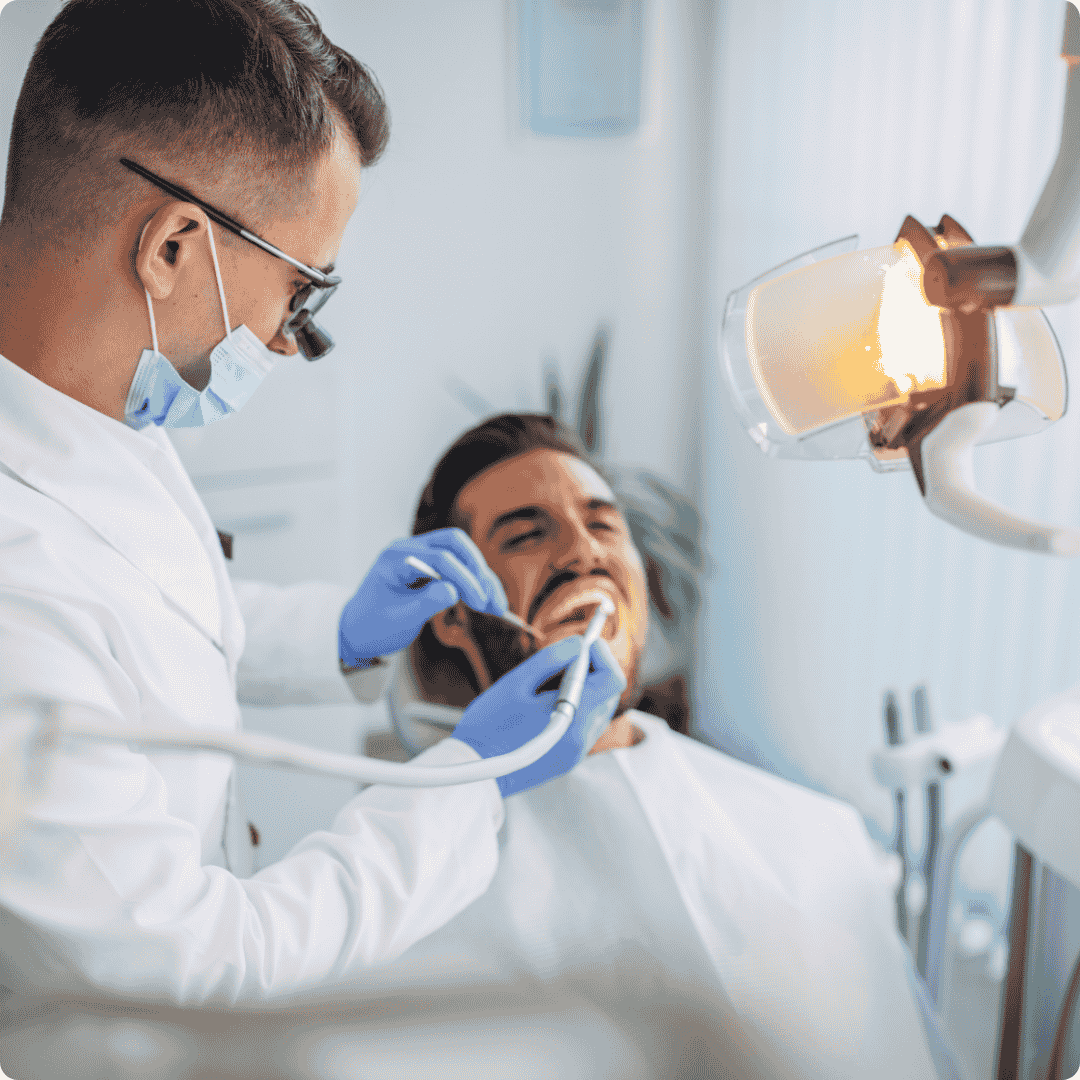
Six months from now…
Lunch no longer starts with choosing which side to chew on. The tooth has had its treatment; now you can pay attention to the conversation.
A molar root canal treatment package in Nuevo Progreso, Tamaulipas, Mexico, is $200 per molar tooth. That figure can be a useful starting point, but it doesn’t tell you whether a crown, another visit or travel belongs in your budget. Let’s work backward from that ordinary lunch to the questions worth asking today.
There’s a serious travel consideration before the dental one: the US State Department lists Tamaulipas as Level 4: Do not travel. Read the current advisory before making a booking, even if your planned crossing is brief.
$200
Package per molar tooth
$1,000 to $1,600
Typical US estimate per molar tooth, without a crown
2 days
Typical planning window; visits vary
Treated tooth
Ask for images and records, too
The small moments a treated molar may change
A root canal treats infection or inflammation inside a tooth. It can help you keep that tooth, but it cannot promise that every ache will disappear at once.
01
The first sip
Hot or cold drinks may stop setting off the same nerve pain. A tender tooth can still need time to settle after treatment.
02
A meal without the detour
You may return to chewing more comfortably once the tooth heals and its final restoration is in place. Until then, avoid testing it with hard foods.
03
A quieter night
Pain from an inflamed nerve can interrupt sleep. If pain persists or grows after treatment, call the treating clinic rather than waiting it out.
04
The bill you understand
Knowing whether the quote includes only the root canal changes the decision. A crown or other work may be a separate expense.
05
An ordinary check-up
The tooth still needs brushing, cleaning and review. Keeping its X-rays makes it easier for your dentist at home to follow its healing.
The useful question isn’t only what the root canal costs. It’s what it takes to finish and protect the tooth.
A low figure matters most when the rest of the plan is clear.
What the dentist treats—and what remains
Inside a molar are narrow canals containing pulp tissue. A dentist opens the tooth, cleans and shapes those canals, then fills and seals them. Local anesthetic usually helps with treatment discomfort; pressure and jaw fatigue can still happen.
The treated tooth remains in your mouth, but it may be more likely to fracture if too much tooth structure is missing. Ask whether it needs a crown, who will place that crown and when. Your dentist decides the plan after an exam and imaging.
A border-clinic price may reflect lower rent, wages, lab fees and liability insurance costs, or one team working in one place. Those cost differences do not establish how a particular dentist will treat your tooth.
| Approach | What changes | Question to ask |
|---|---|---|
| Molar root canal | Treats tissue inside the tooth; a final restoration may follow. | Can this molar be restored well? |
| Extraction | Removes a tooth that cannot be kept. | What happens to the space afterward? |
| Review or referral | Clarifies a difficult diagnosis or canal before treatment. | Would an endodontist’s assessment help? |
What arrives in your mouth and in your hands
A root canal is not a manufactured replacement tooth. The work is inside your own molar; what you take home should also include a clear record of what was done.
For another description of the treatment, see this Mexico root canal package page. Its inclusions may differ, so compare written quotes rather than assuming they match.
Choose the case size before comparing figures
These are arithmetic examples, not treatment recommendations. A dentist must examine each painful tooth; one ache does not establish that several molars need root canals.
One molar
$200 per molar tooth; $200 per case. Typical US estimate: $1,000 to $1,600 per molar tooth, without a crown.
Confirm the seal and the plan for restoring the tooth.
Two molars
$400 per case at the stated tooth price. Typical US estimate: $2,000 to $3,200 per case, without crowns.
Ask whether both teeth can be assessed and treated within your visit.
Three molars
$600 per case at the stated tooth price. Typical US estimate: $3,000 to $4,800 per case, without crowns.
More teeth may mean longer appointments or a changed travel plan.
The budget behind the price on the page
The listed package is $200 per molar tooth. The typical US estimate is $1,000 to $1,600 per molar tooth; the typical Canada estimate (CAD) is CAD $1,400 to CAD $2,200 per molar tooth. The US midpoint is about 6.5 times the listed figure, but that comparison excludes crowns and travel.
A straightforward, restorable molar may stay near the quoted dental figure. A difficult canal, new imaging, a crown, retreatment or an additional appointment can raise the final bill. Keep a buffer for exam findings rather than treating an online quote as the finished plan.
Beliefs worth testing before you book
“That covers a crown.”
Verdict: wrong to assume. The listed root canal figure does not establish crown coverage. Ask for separate restorative lines.
“Every molar is the same job.”
Verdict: mostly wrong. Canal shape, prior work and remaining tooth structure affect treatment. An exam may change the plan.
“One appointment settles everything.”
Verdict: partly true. Some canals can be completed in one visit. Diagnosis, infection or restoration may require another.
“The flight is the whole trip cost.”
Verdict: wrong. Add the stay, meals, local travel and any second visit to your planning.
“A lower price tells me the result.”
Verdict: wrong. Price does not show the diagnosis, canal work, restoration plan or follow-up arrangements.
“I can compare quotes line by line.”
Verdict: partly true. You can if clinics name the same tooth, imaging, seal, visits and restoration. Ask them to clarify differences.
The tally: the tooth price is clear; the completed-tooth price is not until you have an exam-based, itemized plan. You can also compare root canal pricing listings for Nuevo Progreso.
See the dental figures side by side
$200
$1,000 to $1,600
CAD $1,400 to CAD $2,200
Plan for
Add the travel figure from the all-in example below and keep a separate buffer for work found at the exam.
One tooth, with the trip included
This one-molar example assumes one trip, two days on site and one night, usually on the US side of the border. All figures in this table are USD; travel and stay are a rough estimate, varies by season and booking. They include round-trip transport, lodging, local transport and meals.
| Starting from | Package for this case | Travel and stay (rough estimate) | All-in example |
|---|---|---|---|
| McAllen, driving | $200 per case | $400 per trip | $600 per case and trip |
| Dallas, flying to the Rio Grande Valley | $200 per case | $800 per trip | $1,000 per case and trip |
| Toronto, flying to the Rio Grande Valley | $200 per case | $1,100 per trip | $1,300 per case and trip |
Dental extras found at the exam are not in these totals.
The payment terms to settle before travel
A written dental quote and a written payment policy answer different questions. Get both, especially when the exam might change what can be treated.
Deposit
Many clinics ask for one to hold a date. Ask how much, how to pay and whether it comes off the final bill.
Paying the balance
Ask whether the clinic accepts USD cash, cards or bank transfer, and about card or foreign transaction fees. A credit card may offer dispute options.
Refunds and changes
Get cancellation, rescheduling and refund terms in writing. Ask what happens to your deposit if the exam changes the plan or treatment is unsuitable.
Insurance
Most US and Canadian dental plans pay little or nothing for care abroad. Some US PPO plans reimburse out-of-network work; ask your insurer first and request a coded, itemized receipt. HSA or FSA funds can often be used, subject to your plan administrator’s rules.
Complication cover
Regular travel medical insurance usually excludes planned treatment. Ask about medical-travel complication cover and the clinic’s written warranty and remake policy.
From the first X-ray to eating at home
Plan on one trip and roughly two days for a straightforward case, with one or more dental appointments. A difficult infection, several canals or a separate crown visit can change that. There is usually no planned healing-month gap before a simple follow-up, but your dentist sets the schedule.
Before travel
Send what you have
Share recent X-rays, symptoms, medicines and your dentist’s notes. Ask whether the estimate assumes a new scan and whether a crown can be arranged during the same trip.
Feels like: getting the unknowns onto paper.
Day 1
Confirm the diagnosis
The dentist examines the tooth, reviews imaging and checks whether it can be restored. Read the revised plan and quote before agreeing to treatment.
Feels like: questions and decisions, not just a chair appointment.
Treatment visit
Clean and seal
After local anesthetic, the dentist treats the canals and seals the opening. Tell the team if you feel sharp pain; pressure or a tired jaw may still occur.
Feels like: a long dental visit, followed by numbness.
Day 2, if needed
Check the bite and next step
A return visit may finish treatment or adjust a high-feeling bite. Confirm whether your current seal is temporary and when a final filling or crown is due.
Feels like: making sure you can leave with clear instructions.
Back home
Protect and review
Wait for numbness to fade before eating. Choose softer foods, avoid hard chewing on that molar and arrange the restoration your dentist recommends. Most people can return to desk work soon, though soreness varies.
Feels like: ordinary care, with a plan for follow-up.
The risks worth planning around
Most questions after a root canal are practical: Is the soreness settling? Is the seal intact? Does the tooth meet your bite correctly? These are reasons to arrange reachable follow-up before traveling.
| Risk | What it means | What lowers it | What to do if it happens |
|---|---|---|---|
| Tenderness or a high bite | Biting feels sore or the tooth contacts first. | Bite check and aftercare instructions. | Call the clinic; arrange an adjustment if advised. |
| A broken or leaking seal | The opening may become exposed again. | Timely final restoration; avoid hard chewing meanwhile. | Contact the clinic and have a local dentist assess it promptly. |
| Tooth fracture | A weakened molar cracks under chewing force. | A suitable restoration and help for grinding. | Stop chewing on it and seek a dental exam. |
| Reinfection or persistent pain | Infection remains or returns; another diagnosis may be needed. | Careful assessment, a sound seal and follow-up. | Call the treating clinic first; see a local dentist if you cannot return. |
Call the treating clinic first about a problem. See a local dentist promptly for worsening pain, swelling, a lost seal or a cracked tooth; seek urgent medical care for swelling that affects breathing or swallowing.
How long can it serve you?
A root-canal-treated tooth often lasts 10 years or more, and may last longer when it gets a crown. No dentist can promise a set number of years. Grinding without a night guard, smoking, gum disease, skipped cleanings and diabetes that is not well controlled can shorten its service. Daily care, cleanings, check-ups and a night guard when advised can help. Ask what the clinic’s written warranty covers if pain returns or the restoration fails.
Check the plan, then check the journey
A photograph and a short quote cannot answer who treats the canals or what happens if the diagnosis changes. Ask for details you can verify and keep.
Check
Check the treating dentist’s cédula profesional on Mexico’s SEP national register of professionals. Ask for the clinic’s COFEPRIS registration, the dentist’s own relevant cases, and a written quote naming imaging, canal treatment, seal, restoration and any warranty terms.
You can review root canal clinic listings in Nuevo Progreso before requesting records directly from a clinic.
Pause and ask more if
The US State Department advisory for Tamaulipas is Level 4: Do not travel. Read the current advisory before booking and weigh it alongside the dental and trip costs.
Is treating this molar the right next step?
Your dentist decides suitability after an exam. The most useful early question is whether the tooth can be restored well after its canals are treated.
A possible fit
An exam finds a molar with treatable canal disease and enough structure for a lasting restoration. You understand the separate restoration plan, follow-up and travel advisory before deciding.
Not right now
The diagnosis is uncertain, the tooth may be fractured beyond repair, or you cannot arrange needed follow-up. A local dental assessment or specialist opinion may clarify the next step without a trip.
When you are back home
Give your local dentist the images, treatment notes and date of the root canal. Arrange any final restoration on the schedule your treating dentist recommends, and ask when the tooth should be reviewed. If a problem develops, contact the treating clinic first and tell your local dentist what was done.
Questions for the days around a sore molar
Before treatment
Can an X-ray sent from home confirm that I need a root canal?
It can help a dentist prepare an estimate, but it may not settle the diagnosis. An in-person exam and current imaging guide the treatment decision.
Should I take antibiotics before my appointment?
Do not start them solely because a tooth hurts. Ask a dentist to assess the cause and whether medicine is appropriate.
Can I keep taking my regular medicines?
Send the clinic a current medicine list, including blood thinners and supplements. Do not stop a prescribed medicine unless your prescribing clinician tells you to.
What if my toothache goes away before I travel?
A change in pain does not confirm that the tooth has healed. Ask a dentist to review it before deciding whether to keep the appointment.
Will a previous root canal be treated the same way?
A tooth needing retreatment can be more complex than one treated for the first time. Tell the clinic about previous work and ask for an exam-based quote.
During and after
Can I drive after local anesthetic?
Many people can, but ask your dentist about the medicines used during your visit. Arrange a ride if you feel unwell or receive medication that affects alertness.
Why does the tooth feel different when I bite?
The tissues around it can be tender after treatment, or the seal may meet your bite too soon. Tell the clinic if the tooth hits first or biting pain is not easing.
Can I fly home after the appointment?
Ask the dentist to confirm the tooth is sealed and whether another visit is needed. Leave enough time to understand the aftercare plan before departure.
What should I do if my temporary filling comes out?
Avoid chewing on that tooth and contact the treating clinic. If you are home, arrange a prompt assessment with a local dentist.
Can my dentist at home place the crown?
Often, yes, if that dentist agrees with the restoration plan and can assess the tooth. Share the treatment notes and imaging, and arrange the visit before leaving a temporary seal in place too long.
A quieter lunch begins with a clearer plan
Ask PlacidWay to send your case to partner clinics or dentists in Nuevo Progreso for a free, itemized package quote. There is no obligation; review the travel advisory and confirm the exam findings before deciding.
Request a Package QuoteAsk a Patient Coordinator
Free, and no payment is needed to ask.
About PlacidWay
Mexico Border Dentist is part of the PlacidWay network, which helps patients from the US, Canada and other countries compare clinics, packages and prices for treatment abroad and request free, no-obligation quotes. PlacidWay and Mexico Border Dentist do not provide dental treatment; your treatment plan, price and suitability come from the clinic and dentist you choose.
This content is for general information and education only and is not medical, dental or financial advice. Suitability, risks, timelines and costs can only be confirmed by a licensed dentist after an assessment.