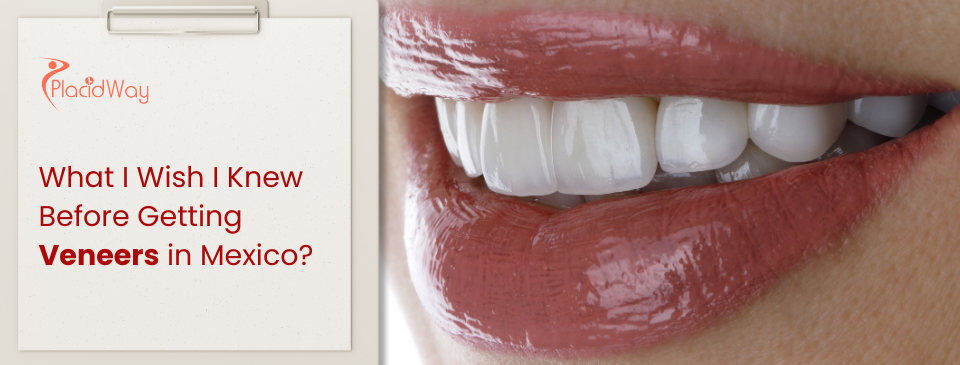
What I Wish I Knew Before Getting Veneers in Mexico?
Getting veneers in Mexico can be a safe and high-quality option for smile enhancement, provided you select a reputable clinic. Porcelain veneers in Mexico typically range from $350 to $600 USD per tooth, offering significant savings compared to prices in the United States or the UK.
The idea of achieving a perfect, dazzling smile is incredibly appealing, and when paired with the attractive prices for cosmetic dentistry in Mexico, it becomes a compelling option for many.
Countless online transformation photos showcase gleaming, perfectly aligned teeth, making the promise of a Hollywood-worthy smile for a fraction of home country costs seem like a dream come true.
This guide provides the honest, detailed information I wish I had known before embarking on my own dental journey. We aim to equip you with the knowledge to navigate this process with confidence. Please note that PlacidWay is a medical tourism facilitator, connecting patients with pre-vetted providers worldwide; we are not a medical provider ourselves. Your successful smile transformation relies on careful research and informed decisions about What I Wish I Knew Before Getting Veneers in Mexico?
Key Takeaways for Dental Veneers in Mexico
Significant Savings: Patients can save 50-70% on veneers in Mexico compared to prices in the US or UK.
High-Quality Materials: Reputable clinics use globally recognized materials like E-max porcelain and advanced CAD/CAM technology.
Efficient Process: Most veneer procedures are completed in two visits over 5 to 10 days, allowing for a focused dental vacation.
Expert Dentists: Many top Mexican cosmetic dentists have international training and belong to prestigious dental societies.
Long-Lasting Results: High-quality porcelain veneers can last 15-20 years with diligent oral hygiene and proper care.
Understanding Dental Veneers: What Are They?
Dental veneers are custom-made, thin shells of tooth-colored materials, typically porcelain or composite resin, designed to cover the front surface of teeth. They are bonded to the teeth to improve appearance, correcting issues like discoloration, chips, gaps, or minor misalignments.
Porcelain veneers are highly durable and stain-resistant, offering a natural, translucent appearance that closely mimics tooth enamel. Composite veneers, while more affordable, are made from a resin material that is applied directly to the tooth and sculpted.
The choice between porcelain and composite depends on budget, desired longevity, and the extent of tooth preparation required. Porcelain generally offers superior aesthetics and durability for a lasting smile makeover.
Evidence and Important Considerations for Veneers
Evidence & Outcomes: Top-tier Mexican dental clinics consistently use internationally recognized materials like Ivoclar Vivadent’s E-max porcelain. This, combined with advanced CAD/CAM technology, ensures high success rates and durable results comparable to leading global standards. Patient testimonials and extensive before-and-after portfolios often provide strong evidence of successful outcomes.
Risks & Contraindications: While generally safe, risks include tooth sensitivity, potential chipping, or debonding, particularly if not properly placed or cared for. Individual results vary significantly based on oral health, dentist skill, and material quality. Seek immediate care if you experience severe pain, persistent sensitivity, signs of infection, or a loose veneer. Always consult a qualified dental professional to assess if veneers are suitable for your specific dental condition.
Did You Know?
Did you know that Mexico is home to some of the world’s most advanced medical facilities, where patients often save significant amounts on Dental Veneers while receiving care that meets or exceeds international hospital standards?
What I Wish I Knew About Veneers in Mexico: Cost Comparison
The primary motivation for many patients seeking dental veneers in Mexico is the exceptional value. Lower costs are attributed to a reduced cost of living, decreased clinic overhead, and lower labor expenses, not necessarily compromised quality.
A full set of 8-10 porcelain veneers, a common “smile makeover,” could cost $3,500 to $6,000 USD in Mexico. This contrasts sharply with the $10,000 to $20,000 or more often seen for the same procedure in the United States, offering substantial financial benefits.
Cost Breakdown
Major Savings
Country
Estimated Cost (per veneer)
Average Savings
Mexico
$350 – $600
Starting Point Best Value
United States
$1,000 – $2,500
~65% Savings
United Kingdom
$1,000 – $2,500
~65% Savings
Canada / Australia
$1,200 – $2,800
~70% Savings
Essential Facts & Pro-Tips
1
Fast Fact: Many top-tier Mexican dental clinics hold international accreditations (like ISO) and use the same high-quality materials (e.g., E-max porcelain) as clinics in the US or Europe. This ensures comparable quality of care.
2
Travel Tip: The veneer process in Mexico is often streamlined into two visits over 5-10 days, thanks to efficient on-site labs. This allows patients to combine their dental treatment with a short vacation, reducing overall time away from home.
3
Recovery Tip: To maximize veneer lifespan, maintain excellent oral hygiene with daily brushing and flossing. Consider a nightguard if you grind your teeth, and avoid using your teeth to open packages or bite hard objects.
Your Veneer Treatment Journey in Mexico
Mexico’s dental clinics are known for their efficiency, allowing patients to complete their veneer treatment in a single trip. This streamlined approach minimizes downtime while ensuring rigorous safety and quality protocols are followed throughout the process.
What might take several weeks or months in other countries can often be completed in just 5 to 10 days, thanks to advanced in-house labs and dedicated teams. This efficiency makes Mexico an attractive destination for dental tourism.
Day 01
Initial Consultation & Preparation
Your first visit includes a comprehensive consultation, X-rays, 3D scans, and a discussion of your desired smile aesthetics. The dentist will prepare your teeth by removing a thin layer of enamel, take precise impressions, and fit you with temporary veneers before you depart.
Days 02 — 04
Veneer Fabrication in the Lab
While you enjoy a brief break, the dental lab will meticulously custom-fabricate your permanent porcelain veneers. This process ensures a perfect fit and natural appearance, tailored to your unique specifications.
Days 05 — 07
Final Placement & Bonding
You will return to the clinic for your final appointment. The dentist will check the fit, color, and comfort of your new veneers before permanently bonding them to your teeth using a specialized cement and curing light.
Frequently Asked Questions
1. How much do veneers cost in Mexico?+
The cost of a single porcelain veneer in Mexico typically ranges from $350 to $600 USD, while a composite veneer can cost between $200 and $400. This is a significant saving compared to the $1,000 to $2,500 per tooth often charged in the United States or the UK.
2. Are veneers from Mexico safe and good quality?+
Yes, veneers from Mexico can be extremely safe and of high quality, but this is entirely dependent on the clinic and dentist you choose. Top-tier Mexican dental clinics use the same high-quality materials (like E-max porcelain) and advanced technology (CAD/CAM) as the best clinics in the world.
3. What is the process for getting veneers in Mexico?+
The process for getting veneers in Mexico is typically completed in two visits over the course of 5 to 10 days. The first visit is for consultation, tooth preparation, and taking impressions. The second visit, a few days later, is for the final placement and bonding of the custom-made veneers.
4. How do I find the best dentist for veneers in Mexico?+
To find the best dentist, verify their credentials and specialization in cosmetic dentistry, read numerous independent patient reviews, and examine their before-and-after portfolio extensively. A virtual consultation is also essential to gauge their communication and approach.
5. Porcelain vs. Composite Veneers: Which is better?+
Porcelain veneers are superior in terms of durability, stain resistance, and aesthetics, lasting 10-20 years. Composite veneers are more affordable and require less tooth preparation but are less durable, prone to staining, and typically last only 5-7 years.
6. How long do veneers from Mexico last?+
With proper care, high-quality porcelain veneers from a reputable Mexican clinic can last 15 to 20 years, or even longer. The longevity is determined by the quality of the material, the skill of the dentist, and your own oral hygiene.
7. What kind of dental tourism support can I expect in Mexico?+
Many top Mexican clinics offer comprehensive support services for international patients, often including airport transfers, accommodation assistance, and dedicated patient coordinators. These services help streamline your travel and treatment experience, ensuring a comfortable stay. It’s important to clarify what specific services are included in your treatment package upfront.
8. What post-treatment care should I anticipate after getting veneers?+
After receiving your veneers, your dentist will provide detailed aftercare instructions to ensure their longevity. This typically includes maintaining excellent oral hygiene, avoiding hard or sticky foods, and potentially wearing a nightguard to prevent damage from clenching or grinding. Regular dental check-ups are essential.
Ready to Take the Next Step Towards Recovery?
Choosing the right destination for your medical care is significant. By opting for treatment abroad, you are not just saving on costs—you are gaining access to specialized clinicians and world-class care.
Medical Disclaimer:This article is intended for informational and educational purposes only and does not constitute medical advice, diagnosis, or treatment. PlacidWay is a medical tourism facilitator, connecting patients with healthcare providers, but does not provide direct medical services. Always consult a qualified physician or dental professional before making any health decisions or starting any new treatment plan. Individual outcomes are not guaranteed and may vary. If you experience severe or worsening symptoms, such as acute pain, infection, or a dislodged veneer, seek immediate professional medical care.