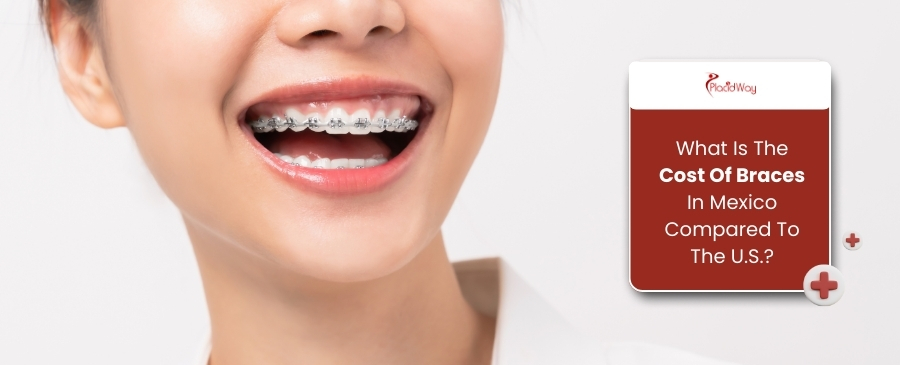
The cost of braces in Mexico is significantly lower than in the U.S., often ranging from 50% to 70% less. A full course of treatment in Mexico typically costs between $1,500 to $4,000, while in the U.S., average prices for traditional metal braces alone can range from $3,000 to $7,000.
Considering orthodontic treatment is a significant decision for many, often accompanied by concerns about the financial investment. Many individuals are now exploring healthcare options beyond their home country to find high-quality, more affordable care.
Mexico has emerged as a leading destination for various dental procedures, including braces. The substantial price difference for What Is The Cost Of Braces In Mexico Compared To The U.S.? makes it an attractive option for patients seeking value without compromising quality.
This comprehensive guide aims to help you make an informed decision by comparing costs, exploring treatment quality, and discussing what to expect from the overall experience. PlacidWay serves as a medical tourism facilitator, connecting patients with accredited international providers, but it is not a medical provider itself.
Our goal is to provide a clear understanding of the benefits and considerations involved in seeking orthodontic care abroad.
Key Takeaways from Choosing Braces in Mexico
- Significant Savings: Patients can save between 50% to 70% on total treatment costs compared to the U.S.
- High-Quality Care: Many Mexican clinics meet international standards, utilizing modern technology and experienced orthodontists.
- Variety of Options: Access to traditional metal, ceramic, lingual, and clear aligners, similar to choices in the U.S.
- Flexible Payment Plans: Many clinics offer upfront deposit and monthly installment options directly to patients.
- Accredited Professionals: It’s crucial to seek accredited clinics with specialized and internationally-trained orthodontists.
Understanding Orthodontic Braces and Their Function
Orthodontic braces are dental devices used to correct misaligned teeth and jaws, improving both oral function and aesthetic appearance. They apply continuous pressure over time to gradually shift teeth into their optimal positions, addressing issues like overcrowding, gaps, and bite problems.
The treatment involves a series of adjustments to move teeth into their desired alignment. The initial consultation typically includes a thorough oral examination, X-rays, and possibly 3D scans or impressions to create a personalized treatment plan.
Common types include traditional metal braces, ceramic braces for a less noticeable look, and lingual braces, which are placed on the inside of the teeth. Clear aligners, like Invisalign, offer a removable and nearly invisible alternative.
Each type has specific advantages and is chosen based on the patient’s individual needs, the complexity of their case, lifestyle factors, and aesthetic preferences.
Weighing the Evidence and Potential Risks
Evidence & Outcomes: Orthodontic treatment, when performed by qualified specialists, boasts high success rates in correcting dental malocclusions. Many clinics in Mexico utilize advanced technology and materials, ensuring outcomes comparable to those in the U.S. Treatment typically lasts between 18 to 36 months, leading to improved dental health and aesthetics.
Risks & Contraindications: Potential risks include minor discomfort, tooth decay if oral hygiene is neglected, root resorption, and relapse if retainers are not worn. It is vital to consult with a qualified orthodontist to assess individual suitability and discuss all potential complications. Seek immediate care if you experience severe pain, excessive swelling, or unexpected changes in tooth position.
Did You Know?
Did you know that Mexico is home to some of the world’s most advanced medical facilities, where patients often save significant amounts on braces while receiving care that meets or exceeds international hospital standards?
Braces Cost in Mexico vs. U.S.: A Detailed Comparison
The cost of orthodontic treatment remains a primary concern for many patients. The notable difference in pricing between Mexico and the U.S. is often the driving factor for seeking care abroad. This disparity is mainly due to lower operational costs, including labor and material expenses, in Mexico.
For instance, traditional metal braces in the U.S. can range from $3,000 to $7,000, while the same treatment in Mexico is typically between $1,500 and $2,500. This offers substantial savings, making quality orthodontic care more accessible.
Cost Breakdown
Major Savings
| Country |
Estimated Cost (USD) |
Savings Compared to US |
| Mexico |
$1,500 – $4,000 |
Starting Point Best Value |
| United States |
$3,000 – $10,000+ |
Reference for Comparison |
Essential Facts & Pro-Tips
1
Fast Fact: Many Mexican clinics are accredited by national or international dental associations, ensuring adherence to high standards for materials and sterilization practices. They also have experienced orthodontists.
2
Travel Tip: Factor in additional travel costs such as flights, accommodation, and local transportation when budgeting for your treatment in Mexico. Consider clinics in border towns or major cities for easier access.
3
Payment Insights: Most U.S. dental insurance plans do not cover international orthodontic treatment, so plan for out-of-pocket expenses. Health Savings Accounts (HSAs) and Flexible Spending Accounts (FSAs) can be used.
Your Orthodontic Treatment Journey Abroad
Embarking on orthodontic treatment in Mexico typically involves a structured journey to ensure comprehensive care. The process is designed to be efficient while maintaining strict safety and quality protocols. Understanding the typical timeline can help patients prepare for their visits.
Initial Visit
Consultation and Assessment
A comprehensive oral examination, X-rays, and potentially 3D scans are performed. The orthodontist discusses treatment goals, options, duration, and estimated costs, creating a personalized plan.
Treatment Phase
Braces Placement and Adjustments
Braces are fitted, followed by regular adjustment appointments over the course of treatment, typically 18 to 36 months. These visits monitor progress and ensure effective tooth movement.
Final Phase
Removal and Retainer Fitting
Once teeth are correctly aligned, braces are removed. Retainers are then provided and fitted to maintain the new position of the teeth, preventing relapse and ensuring long-term results.
Frequently Asked Questions
1. What is the average cost of braces in Mexico?+
The average cost of braces in Mexico typically ranges from $1,500 to $4,000 for a full course of treatment. This price varies based on the type of braces chosen, such as traditional metal, ceramic, lingual, or clear aligners, and the complexity of the orthodontic case.
These costs generally include initial consultations, X-rays, fittings, adjustments, and the final retainers, offering a comprehensive package at a significantly lower price point than in the U.S.
2. How much do braces cost in the U.S. on average?+
In the U.S., the average cost for traditional metal braces ranges from $3,000 to $7,000. More specialized options like clear aligners can cost up to $8,000 or more, and lingual braces can exceed $10,000.
This higher cost is often attributed to greater operational expenses, including facility rents, staff salaries, and insurance premiums, along with the generally higher cost of living in the United States.
3. What factors influence the cost of braces?+
Several key factors determine the overall cost of braces, regardless of location. These include the specific type of braces chosen, such as metal, ceramic, lingual, or clear aligners, which each have different material and labor costs. The complexity of the orthodontic case also plays a significant role.
More severe misalignment or bite issues require longer treatment durations and more intricate adjustments, increasing the total expense. Additionally, the orthodontist’s experience and the geographic location of the clinic can influence pricing.
4. Are there different types of braces, and how do their costs compare?+
Yes, various types of braces are available, with costs generally increasing based on their aesthetic appeal and customization. Traditional metal braces are the most affordable option. Ceramic braces, being less noticeable, are moderately more expensive.
Clear aligners like Invisalign and lingual braces, which are hidden behind the teeth, represent the higher end of the price spectrum due to advanced technology and personalized manufacturing. This trend holds true for both Mexican and U.S. clinics.
5. Is the quality of orthodontic care in Mexico comparable to the U.S.?+
Yes, the quality of orthodontic care in Mexico can be exceptionally high and is often comparable to standards found in the U.S. This is particularly true in accredited clinics staffed by experienced orthodontists. Many Mexican specialists receive training from international institutions.
These clinics frequently use modern technology and high-quality materials, ensuring effective and safe treatment. Patients should research and choose reputable clinics with transparent practices and positive international patient reviews.
6. What are potential additional expenses when getting braces in Mexico?+
While the direct cost of braces in Mexico is lower, potential additional expenses may include travel costs such as flights, accommodation, and local transportation. Patients might also incur costs for pre-orthodontic dental work if needed, or for emergency visits.
It is important to clarify whether retainers are included in the treatment package, as these can sometimes be an extra cost. Always request a detailed quote to avoid unexpected fees.
7. How do payment plans and insurance work for braces in Mexico?+
Payment plans in Mexico often involve an upfront deposit, typically ranging from 30% to 50% of the total cost. The remaining balance is then paid through monthly installments directly with the clinic. Cash, credit cards, and sometimes bank transfers are accepted.
U.S. dental insurance usually does not cover orthodontic treatment received abroad, requiring out-of-pocket payment. However, Health Savings Accounts (HSAs) and Flexible Spending Accounts (FSAs) can often be used to cover these expenses.
8. How long does orthodontic treatment with braces typically last?+
Orthodontic treatment with braces typically lasts between 18 to 36 months, or 1.5 to 3 years. The exact duration depends on the complexity of the patient’s case and the type of braces used. Simpler cases might conclude sooner.
More complex alignments could extend the treatment beyond this general timeframe. Consistency with follow-up appointments and adherence to the orthodontist’s instructions are crucial for timely results.
Ready to Take the Next Step Towards a Straighter Smile?
Choosing the right destination for your orthodontic care is significant. By opting for treatment abroad, you are not just saving on costs—you are gaining access to specialized clinicians and world-class care.
Get Your Free Quote Now
Medical Disclaimer: The information provided in this article is intended solely for general informational and educational purposes. It should not be considered as medical advice, diagnosis, or a recommendation for treatment. PlacidWay, LLC functions as a medical tourism facilitator, connecting individuals with healthcare providers worldwide; it is not a medical provider and does not offer direct medical services. All decisions regarding your healthcare should be made in consultation with a qualified and licensed physician or healthcare professional. Individual treatment outcomes can vary significantly, and there is no guarantee of specific results. If you experience severe or worsening symptoms, please seek immediate professional medical attention.

