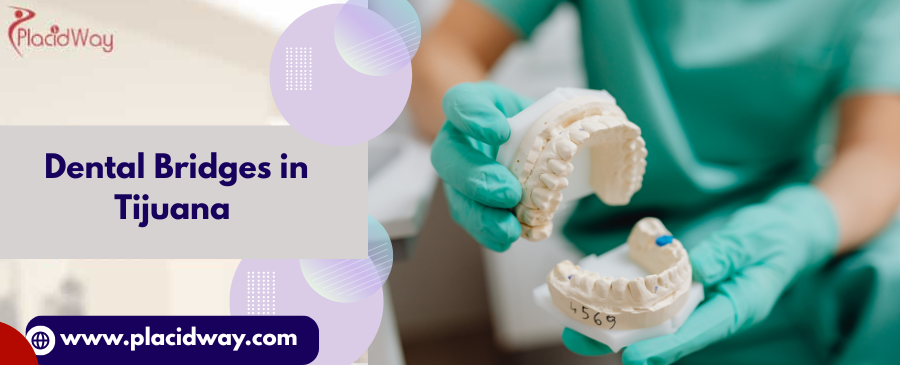
The lifespan of dental bridges placed in Tijuana typically ranges from 5 to 15 years, which aligns with global averages. With diligent oral hygiene and consistent professional maintenance, many bridges can comfortably exceed a decade, some even lasting up to 20 years. Key factors influencing their longevity include the type of material used, individual oral hygiene practices, dietary habits, and the skill of the treating dentist.
For individuals exploring cost-effective, high-quality dental care options, Tijuana, Mexico, has solidified its reputation as a leading destination. Among the array of restorative procedures offered, dental bridges present an effective solution for replacing missing teeth, restoring both function and aesthetics.
A common and important question for patients considering this treatment is about the expected durability of their investment. The longevity of dental bridges placed in Tijuana is comparable to those performed worldwide, relying on several critical factors for long-term success.
This comprehensive guide will explore the various elements that influence how long these restorations last, from material science to patient aftercare. As a medical tourism facilitator, PlacidWay connects patients with reputable international providers, helping you navigate these considerations to make informed healthcare decisions.
Key Benefits of Choosing Dental Bridges in Tijuana
- Long-Term Stability: Many bridges last 5-15 years, with some exceeding 20 years with proper care and superior materials.
- Advanced Materials: Access to high-quality materials like zirconia and E.max ensures exceptional durability and aesthetic results.
- Expert Craftsmanship: Reputable Tijuana dentists possess extensive experience and prioritize precise bridge placement and bite alignment.
- Modern Dental Technology: Clinics often utilize digital X-rays, 3D CT scans, and CAD/CAM for accurate diagnostics and fabrication.
- Mejora de la función oral: Restoring missing teeth improves chewing efficiency, speech clarity, and prevents surrounding teeth from shifting.
Understanding What Dental Bridges Are and How They Work
A dental bridge is a fixed prosthetic device used to replace one or more missing teeth by spanning the gap between two existing teeth or implants. It comprises one or more artificial teeth, known as pontics, held in place by dental crowns on the adjacent supporting teeth, called abutments.
The procedure typically involves preparing the abutment teeth by reshaping them to accommodate the crowns. Impressions of your teeth are then taken to create a custom-fitted bridge that matches the size, shape, and color of your natural teeth. During a second visit, the permanent bridge is carefully cemented onto the abutment teeth, ensuring a secure and stable fit.
This restoration not only fills the visible gap but also helps maintain facial structure, prevents remaining teeth from drifting out of position, and restores your ability to chew and speak properly. It is a non-removable solution that functions much like natural teeth once placed.
Evidence-Based Outcomes and Important Considerations
Evidence & Outcomes: Dental bridges boast high success rates, with the average lifespan ranging from 5 to 15 years, and some reports indicating durability up to 20 years with meticulous care. The quality of materials, such as zirconia or gold, significantly contributes to these strong outcomes by offering superior strength and resistance to wear. Regular dental check-ups are crucial for monitoring the bridge’s integrity and the health of supporting structures, allowing for early intervention in case of any issues.
Risks & Contraindications: While dental bridges are generally safe, risks include decay in supporting teeth, gum disease if oral hygiene is poor, or potential fractures from excessive force. Seek immediate care if you experience persistent pain, significant sensitivity, a loose bridge, or visible damage like chips or cracks. Individual results vary based on oral health, lifestyle, and material choice; always consult a qualified dental professional to assess your suitability and discuss potential risks thoroughly.
Did You Know?
Did you know that Tijuana, Mexico is home to some of the world’s most advanced dental facilities, where patients often save significant amounts on Dental Bridges while receiving care that meets or exceeds international hospital standards?
Understanding the Cost Landscape for Dental Bridges in Tijuana
One of the primary motivations for patients seeking dental care in Tijuana, Mexico, is the significant cost advantage compared to Western countries. While the provided data focuses on the lifespan and quality of dental bridges, it implies cost-effectiveness as a key driver for medical tourism in the region.
Exact pricing can vary based on the clinic, materials chosen, complexity of the case, and any additional procedures required. However, the savings are often substantial, without compromising on the quality of care, thanks to lower operational costs and competitive healthcare markets.
Cost Breakdown
Major Savings
| País |
Estimated Cost (Per Unit) |
Average Savings |
| Tijuana, México |
$700 – $2,500 |
Starting Point Best Value |
| Estados Unidos |
$2,000 – $5,000 |
50-70% Savings |
| Reino Unido |
£1,500 – £4,000 |
40-60% Savings |
| Canada / Australia |
$2,500 – $6,000 |
50-75% Savings |
Essential Facts & Pro-Tips
1
Fast Fact: Reputable dental clinics in Tijuana often adhere to strict sterilization protocols, meeting or exceeding international standards to prevent infections and ensure patient safety.
2
Travel Tip: When planning your dental trip to Tijuana, select clinics that specifically cater to international patients, as they typically offer comprehensive services including scheduling, accommodation assistance, and sometimes even transportation.
3
Recovery Tip: Adhere to a soft diet initially and gradually reintroduce harder foods, always avoiding extremely hard or sticky items that could compromise your new dental bridge.
The Dental Bridge Treatment Journey
The process of receiving a dental bridge in Tijuana is typically streamlined and efficient, designed to minimize your time away from home while upholding stringent safety and quality standards. Clinics catering to international patients often provide a coordinated experience from initial consultation to final placement.
This thoughtful approach ensures a smooth treatment journey, allowing you to focus on your recovery and enjoying your restored smile with confidence. Communication and patient comfort are prioritized throughout each stage of the procedure.
Day 01
Initial Consultation & Diagnostics
Your first day typically involves a comprehensive examination, digital X-rays, and potentially 3D CT scans to assess your oral health. This is followed by a detailed discussion of your treatment plan and preparation of the abutment (supporting) teeth.
Day 02 — 03
Impressions & Temporary Placement
Precise impressions of your prepared teeth are taken to send to the dental lab for custom bridge fabrication. Depending on the material and in-house capabilities, a temporary bridge may be placed to protect your teeth while the permanent one is being made.
Day 04 — 05
Permanent Bridge Placement & Adjustments
The custom-made permanent bridge is carefully fitted, checked for optimal bite alignment, and then permanently bonded to your abutment teeth. Final adjustments are made to ensure comfort and a natural appearance, completing your new smile.
Frequently Asked Questions About Dental Bridges in Tijuana
1. What is the average lifespan of a dental bridge?+
On average, a dental bridge typically lasts between 5 to 15 years. With excellent oral hygiene and regular maintenance, many bridges can comfortably exceed 10 years, and some can even last up to 20 years. This longevity is comparable to dental bridges placed in other parts of the world, highlighting the consistency of outcomes.
2. What factors influence the lifespan of dental bridges placed in Tijuana?+
The lifespan of dental bridges in Tijuana is influenced by material type (e.g., zirconia, E.max), oral hygiene, diet, teeth grinding, the health of supporting teeth and gums, and the dentist’s skill. High-quality materials and dedicated patient care are crucial for extending their longevity. These factors are universally important, regardless of the treatment location.
3. How does the quality of dental care in Tijuana affect bridge lifespan?+
The quality of dental care in Tijuana, particularly from reputable clinics serving international patients, often meets or exceeds global standards. This positively impacts bridge lifespan through experienced dentists, modern technology, and adherence to sterilization protocols. Many clinics also offer warranties, providing peace of mind to patients.
4. Are there specific types of dental bridges that last longer?+
Yes, implant-supported bridges generally last longer than traditional tooth-supported bridges, often for decades, as they do not rely on natural teeth for support. Among materials, zirconia and all-metal (gold) bridges typically offer the longest lifespans due to their superior strength and resistance to wear and tear over time.
5. What maintenance is required to maximize the lifespan of a dental bridge from Tijuana?+
To maximize the lifespan of your dental bridge, practice excellent oral hygiene, including brushing twice daily and flossing daily with threaders or a water flosser. Maintain a healthy diet, avoid hard or sticky foods, use a nightguard for teeth grinding, and attend regular dental check-ups and cleanings, whether in Tijuana or locally.
6. How do specific material choices impact dental bridge longevity?+
Material choice significantly affects bridge lifespan. Zirconia and all-metal (gold) bridges are highly durable, often lasting 15-20 years or more due to their strength. E.max (lithium disilicate) and Porcelain Fused to Metal (PFM) bridges also offer good longevity, typically 10-15 years, balancing strength with aesthetic appeal. Older all-ceramic options may be more prone to chipping.
7. Can teeth grinding (bruxism) shorten the life of a dental bridge?+
Yes, habitual teeth grinding or clenching, known as bruxism, can exert immense pressure on dental restorations, significantly shortening the lifespan of a dental bridge. This constant force can lead to cracks, chips, or even loosening of the bridge. If you suffer from bruxism, your dentist will highly recommend a custom-fitted nightguard to protect your bridge and natural teeth.
8. What are the signs that my dental bridge might need professional attention?+
You should contact your dentist immediately if you notice any signs of problems with your dental bridge. These include a feeling of looseness, discomfort or pain around the supporting teeth, inflammation or bleeding of the gums surrounding the bridge, or any visible damage such as chips, cracks, or wear. Prompt intervention can often prevent the need for a full bridge replacement.
Ready to Take the Next Step Towards Recovery?
Choosing the right destination for your medical care is significant. By opting for treatment abroad, you are not just saving on costs—you are gaining access to specialized clinicians and world-class care.
Get Your Free Quote Now
Medical Disclaimer: This article is provided for informational and educational purposes only and is not intended to be medical advice, diagnosis, or a substitute for professional treatment. PlacidWay, LLC is a medical tourism facilitator connecting patients with healthcare providers and is not a medical provider itself. We do not make any diagnosis or treatment recommendations. Always consult with a qualified physician or healthcare professional for any health concerns or before making decisions about your medical care. Outcomes are not guaranteed, and individual results may vary. If you experience severe or worsening symptoms, please seek immediate professional medical care.

