On the flight home, you catch your reflection. Now you know what went into that smile.
Let’s walk backward through the appointments, healing time and payments that brought you here. An All-on-4 dental implants package in Cancún, Quintana Roo, Mexico, is listed at $5,780 to $11,360 per arch.
Four implants support a fixed set of replacement teeth for one upper or lower arch. Your dentist decides whether this approach fits you after an exam; the listed price alone cannot settle that question.
Chapter 1 · Before you pack
Day 0 begins with a written plan
The first useful step happens at home, before you commit to travel.
You send recent X-rays or scans, photos, a medication list and a short account of your dental history. Tell the clinic about gum disease, smoking, diabetes, grinding and any teeth that still need assessment.
A remote review can suggest a plan, but it cannot replace an exam. Ask for a written, itemized quote that separates the first visit, healing period and final teeth. Compare All-on-4 pricing listings for Cancún by what they include, not just their starting figures.
Five questions to send before paying
- Who will place the implants? Can I check that dentist’s cédula profesional on Mexico’s SEP national register of professionals and the clinic’s COFEPRIS registration?
- Which implant brand and temporary and final bridge materials are proposed? What alternatives might the exam reveal?
- Does the quoted price cover both the temporary teeth and the final fixed bridge, including fittings and adjustments?
- Which findings could change the plan or price, and will I approve a revised written quote before treatment?
- What does the written warranty cover, who handles a problem after I return home, and who pays for return travel?
What should be in your hands after each visit
The word “fixed” describes how the bridge attaches to implants. It does not mean the first bridge is always the final one. Ask the clinic to mark every item below on your own quote.
- ✓Exam and imaging: An in-person assessment and the scans or X-rays needed to confirm the plan. Ask the clinic Check which images are included.
- ✓Implantes: Usually 4 implants for each treated arch, subject to the dentist’s final plan. Usually included
- ✓Teeth during healing: Ask whether you’ll receive a fixed temporary bridge, another temporary option or no immediate bridge. Ask the clinic
- ✓Final teeth: A fixed full-arch bridge, with its material, fittings and bite adjustments named in writing. Ask the clinic
- ✓Paperwork to take home: Your written treatment plan, itemized quote, implant brand and model details, imaging, visit notes, aftercare instructions and any written warranty. Ask the clinic
Chapter 2 · Trip 1
The first 5–7 days set the course
Build in room for the exam, surgery and a check before leaving.
Meet the exam, not just the estimate
The dentist examines your gums and remaining teeth, reviews imaging and checks available bone. You go over the final plan, consent and any changed costs before agreeing to treatment.
How you’ll feel: You may still be nervous. It’s reasonable to pause until the bridge type and payment schedule make sense.
Implants and an interim plan
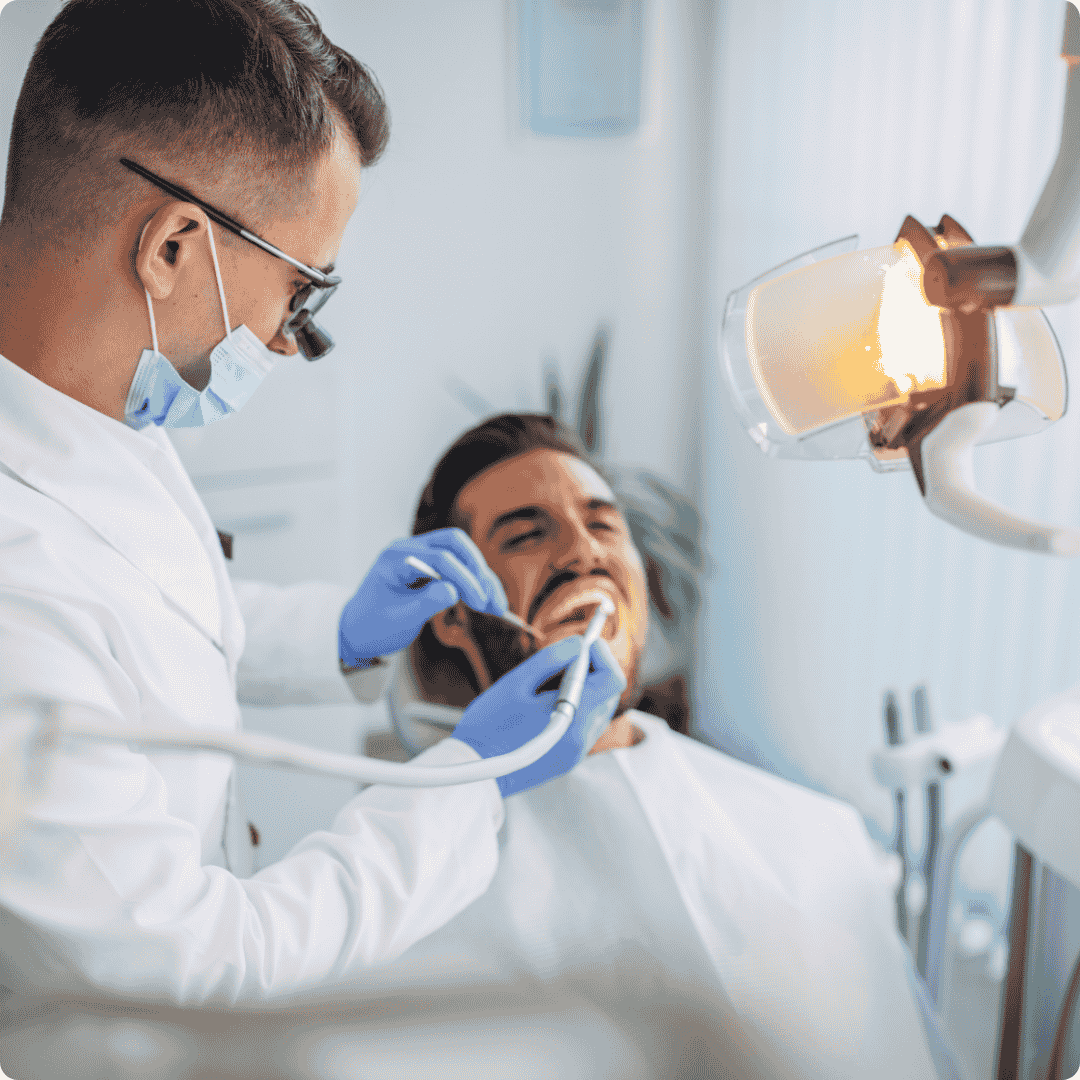
If the dentist clears you for surgery, remaining teeth may be removed and implants placed. A fixed temporary bridge may be attached if the implants are stable enough. Otherwise, the dentist explains a different temporary plan.
How you’ll feel: Local anesthesia controls sensation during treatment. Soreness, swelling and some bleeding afterward are possible; follow your dentist’s medicine instructions.
Check the bite before you fly
The team checks healing and adjusts the temporary teeth if needed. Expect a soft-food plan. Keep the first days light, and ask before scheduling physical work or a long travel day.
How you’ll feel: Swelling can peak after surgery, then ease. Call the clinic about worsening pain, heavy bleeding, fever or a loose bridge.
Chapter 3 · The healing chapter
The quiet 3–6 months matter
Healing continues at home while the implants bond with bone.
Weeks 1–2
Rest, clean as directed and stay with the foods your dentist permits. Ask when you can return to work; desk work and physical work place different demands on recovery.
Months 1–2
Your temporary teeth protect the healing plan only if you follow the eating rules. Don’t test hard or sticky foods just because the bridge feels steady.
Months 3–6
The dentist reviews healing before planning the final bridge. Ask which images or local dental checks they want before you book your return flight.
Between visits
Keep the clinic’s contact details and your records handy. Report a loose temporary bridge, new swelling or a bite that suddenly changes instead of waiting for Trip 2.
Chapter 4 · Trip 2
The final bridge earns its place
A typical return visit takes 3–5 days, depending on fittings and the lab schedule.
Check healing and fit
The dentist checks the implants and gums. Measurements or impressions guide the final bridge; a change in healing may call for a revised schedule.
How you’ll feel: This visit is often less demanding than surgery, but you may feel pressure during fittings.
Adjust, learn, collect records
The final fixed bridge is fitted and the bite checked. Practise cleaning beneath it. Leave with care instructions, implant details, records and any warranty document.
How you’ll feel: Speech and chewing may feel unfamiliar at first. Speak up about a sore spot before your flight.
Chapter 5 · Choose before Day 1
Two ends of the price range, not two promises
These are planning illustrations, not separate clinic offers.
Lower-end illustration
$5,780 per arch
A straightforward exam and the quoted materials may keep a case nearer this end. Confirm what the temporary and final teeth cost before treating it as your budget.
Typical US estimate: $20,000–$35,000 per arch
More room to plan
Upper-end illustration
$11,360 per arch
Different bridge materials or a more involved quoted plan may move the base price upward. Exam findings and travel can still add costs beyond it.
Typical US estimate: $20,000–$35,000 per arch
Ask clinics to name the implant system, final bridge material, temporary option and number of fittings. You can compare Cancún clinic listings, then request the same written answers from each one.
Chapter 6 · The money decision
Budget for the whole course, not Day 2 alone
A payment schedule should match the care you receive at each visit.
For one arch, the listed package range is $5,780–$11,360 per arch. For upper and lower arches, doubling that range gives an estimate of $11,560–$22,720 per case. Both arches need their own exam and written plan; doubling is a budgeting step, not a combined quote.
Ask when each payment is due and what happens if healing delays the final bridge. Don’t assume the entire balance is due on the surgery day, or that a deposit is refundable.
| Visit | Care and time on site | Payment question | Before the next visit |
|---|---|---|---|
| Day 0 | Remote records and a provisional plan | Is there a deposit? When and under what terms is it refundable? | Get the itemized quote and confirm travel dates. |
| Trip 1 | Exam, possible surgery and interim teeth; typically 5–7 days | What is due after the exam and before surgery? What portion covers the temporary bridge? | Follow care instructions and report problems promptly. |
| Healing gap | Usually 3–6 months at home | Does a delayed return change the balance or warranty terms? | Confirm readiness before buying the next ticket. |
| Trip 2 | Final bridge and adjustments; typically 3–5 days | When is the balance due, and what adjustments are included afterward? | Take your records and arrange routine care at home. |
A quote may rise after scans show insufficient bone, active gum disease or teeth needing extraction. Sedation choices and a different bridge material can also change it. Ask for the revised total before consenting.
Set aside money for 2 round trips, lodging, meals, local transport and time away from work. Leave a buffer for an extra appointment or a changed flight. Those costs depend on your starting point and dates, so they are not included in the figures below.
One archpackage range, per arch
Both archesderived estimate, per case
Bars compare the upper ends of the listed one-arch range and its doubled estimate. They do not include travel or exam-related additions.
Plan for
Add 2 trips and your own buffer for travel, time off and findings not covered by the written quote.
Chapter 7 · The whole route
See the journey in one look
Keep this sequence beside your quote and flight plans.
This is a typical 2-trip route, not an appointment guarantee. Healing and the type of temporary teeth depend on what your dentist finds.
| Stage | Typical time | What happens | What it may feel like |
|---|---|---|---|
| Records | Before Day 1 | Send images; review a provisional quote. | Questions are normal; write them down. |
| Trip 1 | 5–7 days | Exam, possible surgery, interim plan and check. | Expect soreness; eat as directed. |
| At home | 3–6 months | Implants heal; report problems and follow food rules. | The temporary bridge may need time to get used to. |
| Trip 2 | 3–5 days | Fit and adjust the final fixed bridge. | Your bite may feel new; request adjustments. |
Chapter 8 · Travel that serves treatment
Make Cancún work around your appointments
Access matters because this plan normally brings you back.
Choose flights that leave time for the first exam and the last adjustment. A tight departure after surgery leaves little room if swelling, a sore spot or lab timing needs attention.
Quintana Roo is under a US State Department Level 2: Exercise increased caution advisory. Read the current advisory before booking, and plan transport between the airport, lodging and clinic. Review broader Mexico dentistry articles and answers as background, then verify any advice with your treating dentist.
Chapter 9 · Back home
The last appointment is not the last responsibility
Keep a local dentist involved and know whom to call first.
How long it serves you
It varies with cleaning, grinding and gum health. Read the written warranty for its actual terms, limits and maintenance duties.
Daily care
Clean around the implants and beneath the bridge as shown. Arrange routine checks with a local dentist who can review your implant records.
Something feels wrong
Contact the treating clinic about looseness, a changed bite or ongoing soreness. Seek prompt local care for severe swelling, fever or trouble swallowing.
When this may not fit
Active gum disease, certain health conditions or too little usable bone may change the plan. Your dentist decides suitability after an exam.
Questions that come up before the boarding pass
Planning
Can I use financing from home?
Ask the clinic which payment methods it accepts and whether any outside financing can be used. Review interest, fees and cancellation terms with the lender before agreeing.
Which currency will the clinic charge?
Get the invoice currency in writing. Your card provider’s exchange rate and foreign-transaction rules may affect what appears on your statement.
What if my flight changes before the appointment?
Tell the clinic as soon as possible. Ask how a change affects your exam slot, lab work, deposit and return-visit dates.
Can someone join the consultation remotely?
Ask whether a family member can join by phone or video while you review consent and costs. An extra listener can help you remember questions, but the treatment decision is yours.
In the chair
Can I request sedation?
Discuss your health history and anxiety with the dentist before travel. Available options, monitoring and extra charges depend on the clinic and your assessment.
Do my current dentures help with planning?
Bring them if the clinic requests it. They can help show your current bite and what bothers you, though they may not determine the shape of the new bridge.
Should I stop my regular medicines?
Don’t stop or change prescriptions on your own. Send the full list, including supplements, and follow advice from your treating dentist and prescribing clinician.
What happens if surgery is postponed after the exam?
Ask for the clinical reason, the next step and a revised written schedule. Confirm which payments apply to care already provided before changing your travel plans.
Back home
Can a local dentist work on the bridge?
A local dentist can assess a concern, but access to compatible parts varies. Share the implant system details and ask the treating clinic how outside repairs affect the warranty.
Will my insurance reimburse treatment abroad?
Coverage depends on your plan. Ask your insurer what documents it needs, whether foreign treatment qualifies and which costs remain yours.
What if I grind my teeth at night?
Tell the dentist before the final bridge is made. Grinding can affect the bridge and implants; ask whether a night guard and follow-up checks belong in your plan.
Day 0 starts with the questions you ask
Send your case through PlacidWay to request a free, itemized package quote from partner clinics or dentists in Cancún. You can compare what each plan includes, with no obligation to book.
Request a Package QuoteAsk a Patient Coordinator
Free, and no payment is needed to ask.
About PlacidWay
Mexico Border Dentist is part of the PlacidWay network, which helps patients from the US, Canada and other countries compare clinics, packages and prices for treatment abroad and request free, no-obligation quotes. PlacidWay and Mexico Border Dentist do not provide dental treatment; your treatment plan, price and suitability come from the clinic and dentist you choose.
This content is for general information and education only and is not medical, dental or financial advice. Suitability, risks, timelines and costs can only be confirmed by a licensed dentist after an assessment.